

Education Apostolate
“Keep up your enthusiasm… remain industrious and ambitious to be free from oppressing shackles… win the sweet kernel of education by earnest study and behaviour” said Fr. Wilhelm Meyer to the youth.
With a deep perception and understanding of the challenges faced by the youth of his time, our Founder gave them special attention. He regarded their formation as a vital aspect of his ministry, kindled their enthusiasm through innovative approaches, accompanied them with love as a guide and companion, and inspired them to grow into responsible human beings.
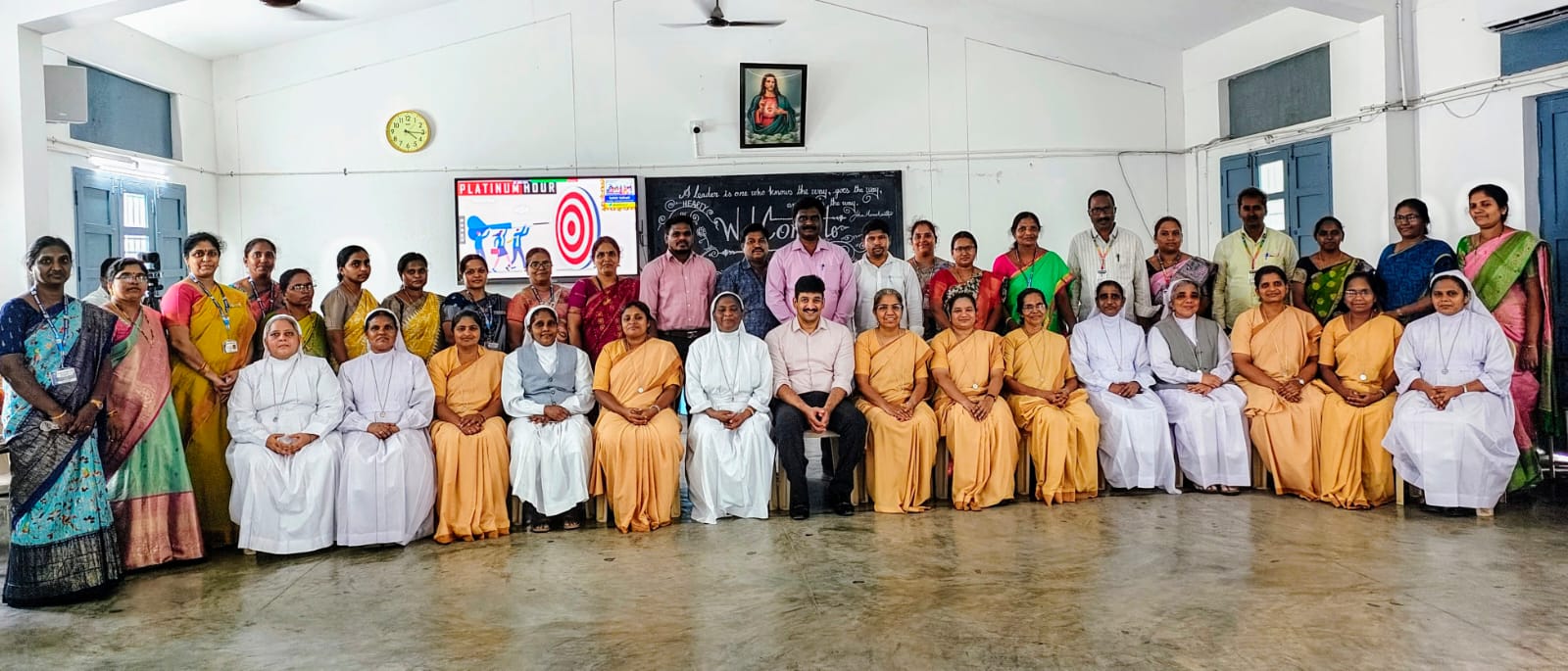
A man with ever-flowing vision, wished a Sister of St. Ann, to meet the need of the time. Thus, he was leaving a charism that is ever growing. Moved with missionary zeal, our Swiss pioneers arrived in India to reach out to the poor and the needy. At first, we started schools in Telugu medium and going by the need of the time, we also started schools in English medium. It all began in India, in 1940, in Andhra Pradesh, when Sr. Francisca Feer, along with Sr. Beatrice—the first Indian Sister—started the first school at Bheemunipatnam, which later grew into a Girls’ High School in 1979.
Today, it comprises an astonishing variety of institutions. We trust that education is a vehicle for social transformation and the essence of our institutions is embodied in the motto “Light to Enlighten”. From inception, our institutions have focused on forming intellectually enlightened, morally upright, spiritually oriented, emotionally balanced and socially committed persons.
Our students have reached far-flung corners across the globe; thus, the legacy continues. Serving the poor and the needy is essential for us. We respect all religions, caste identities and ethnic backgrounds and students are made aware of the rich cultural heritage of India. We believe that our educational institutions must be in accordance with the ideals of national integrity, unity in diversity and democratic principles of justice, liberty, equality and fraternity.
We, the members of the Society of Sisters of St. Ann, Luzern through our education apostolate follow the spirit of our Founder, Rev. Fr. Wilhelm Meyer who aspired to uplift the less privileged children.
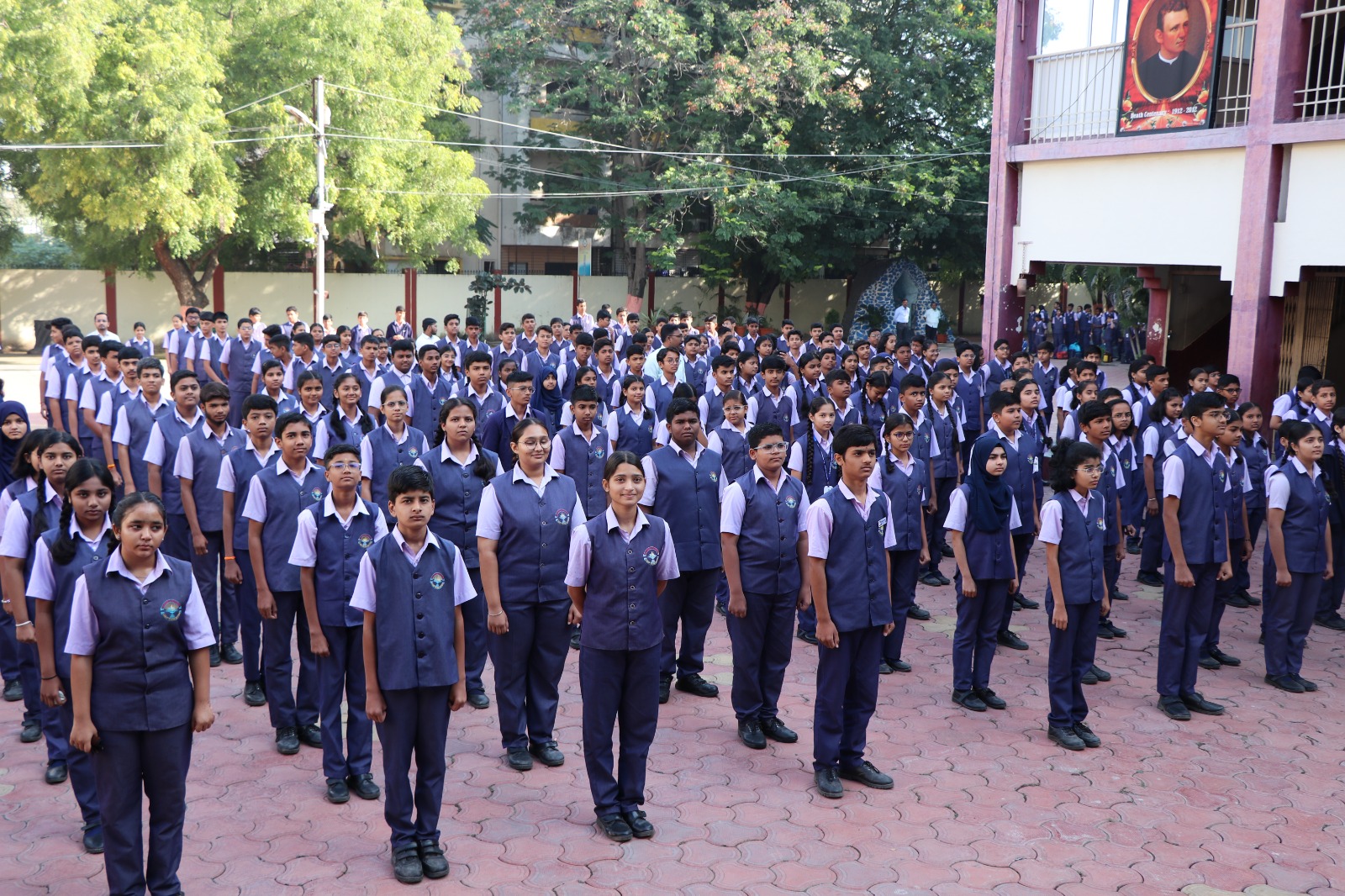
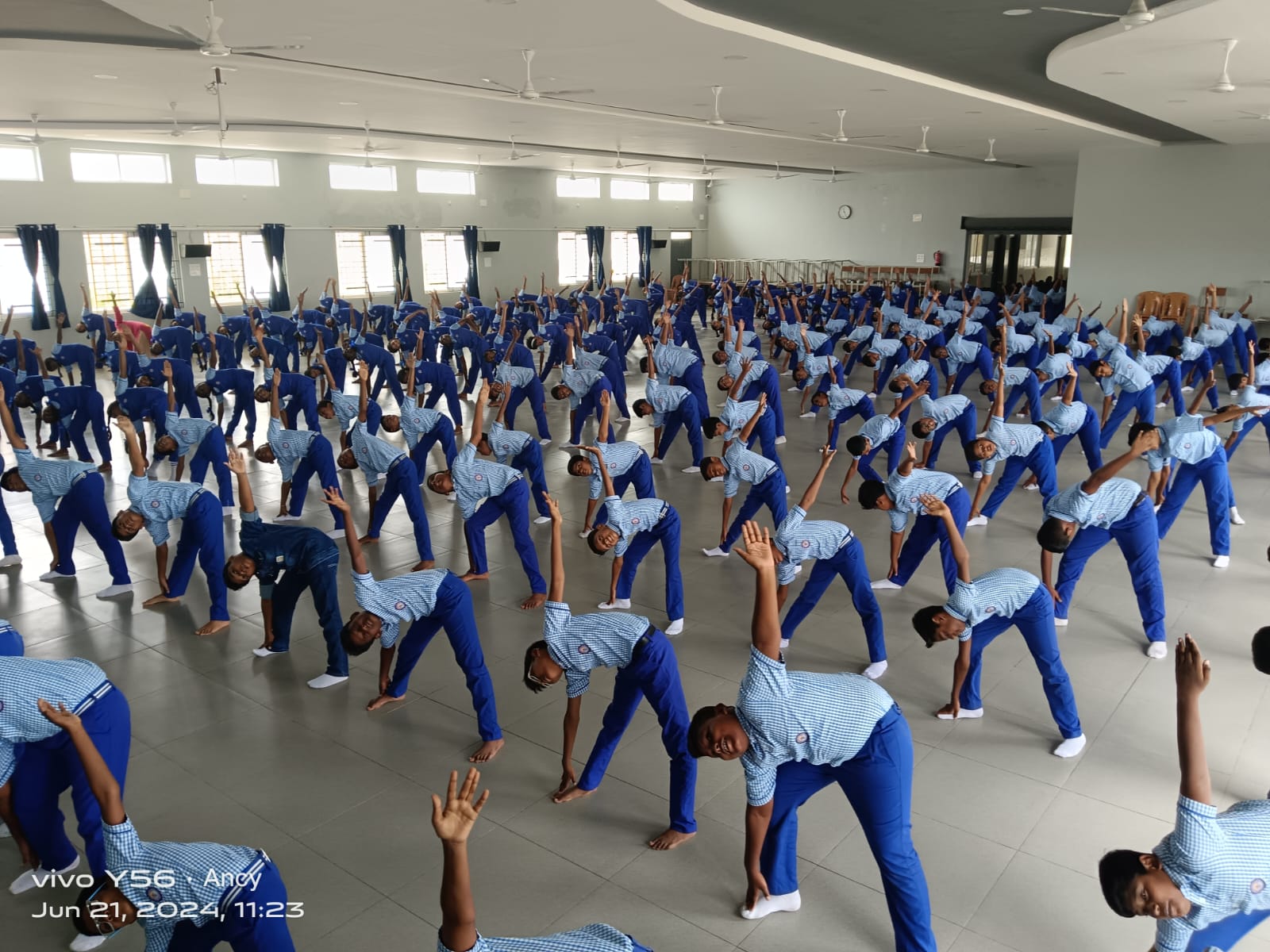
Today, we run 36 schools and 02 colleges in rural, semi-urban and urban areas with 46,788 students. We have always been well known for inclusiveness (pro-poor approach), diversity in student composition and teaching body (various religions, caste identities and ethnic backgrounds) and high learning quality standards.
Our Vision
Empowering students to be global citizens in a rapidly changing world through love for learning, critical thinking and problem solving, respect for core values of honesty, compassion for fellow human beings and care for the environment.
Our Mission
- To provide a safe and stimulating academic environment where children are encouraged to learn and achieve their potential without any form of discrimination.
- To promote holistic development of students’ personality development that empowers students with self-confidence, self-esteem, integrity, accepting diversity, stimulates the desire for lifelong learning and independent thinking.
- To have critical thinking, problem solving methods and skill oriented vocational training.
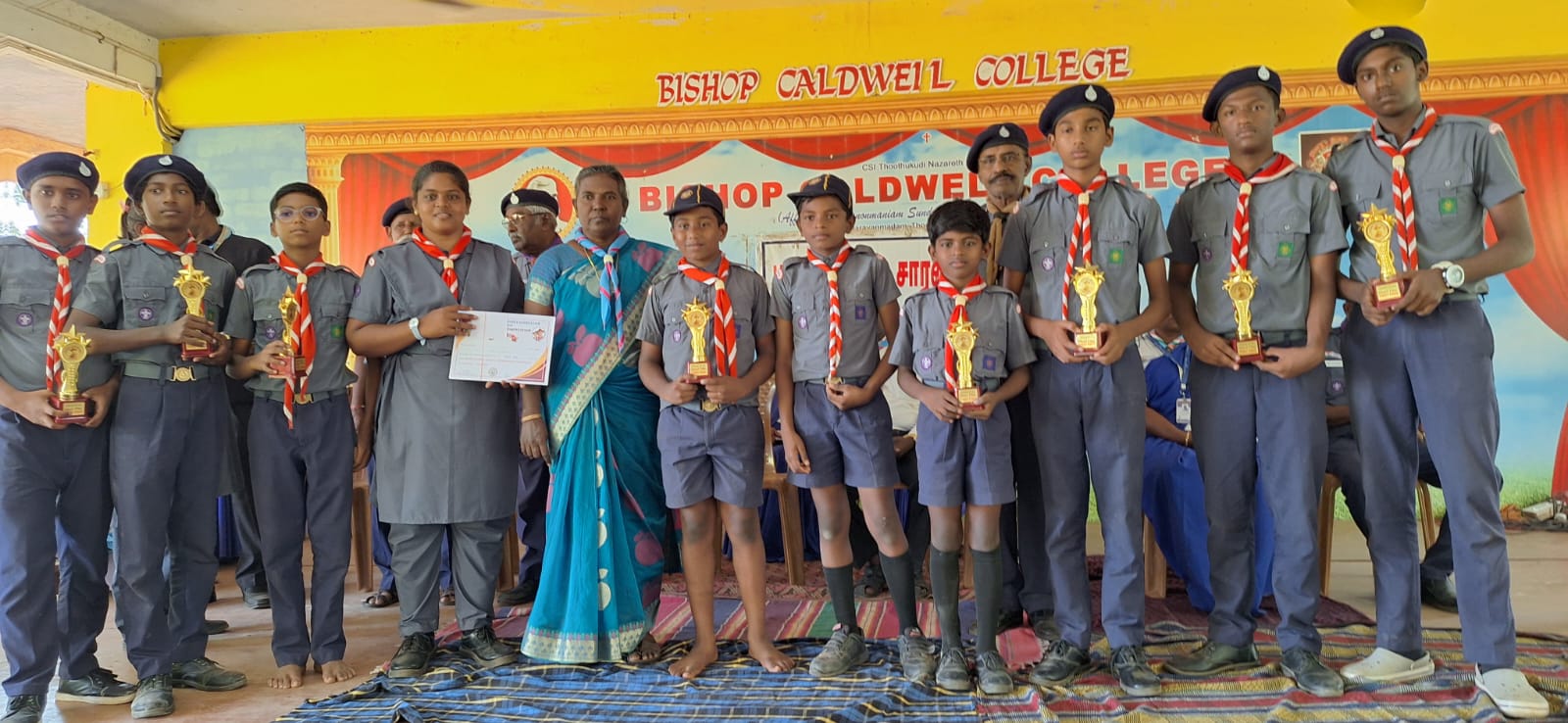
- To promote, strengthen and celebrate cocurricular and extra-curricular activities.
- To capacitate teachers with skills, knowledge and leadership.
- To strengthen the leadership competency of Principals and Management.
- To provide appropriate technologies (digital, modern labs, etc.) to achieve academic excellence.
- To strengthen our community interfaces – parents, alumni, patrons from the corporate sector and benefactors.
Our Approach
‘Our approach to education is holistic’. St. Ann’s education apostolate grew from many learning curves in its historical journey. The totality of our education system underscores the relevance of being sensitive to societal marginalities and nurturing an inclusive culture.
Spiritual Wellness
Our spiritual roots inspire us to nurture high levels of God awareness in all that we undertake. Our education fosters a culture of religious tolerance, awareness of oneself and being in communion with all living beings that brings peace and harmony.
Option for the Poor
The education of marginalized poor from remote villages was the dominant theme of the foundational years of the education apostolate. St. Anne’s Society stands by people experiencing poverty. No child should be denied admission nor discontinue studies due to poverty.
Inclusive Education
Inclusiveness is our spiritual principle, guiding us in all our interactive fields of relating and learning in our educational institutions. We embrace and celebrate diversity among all our learners, integrating different ways of thinking and experiences of our student community.
Recruitment of Students
St. Ann’s recruitment of students is a transparent process and underscores non-discrimination. Children with physical disabilities are in the regular classroom regardless of the nature of their disabling conditions.
Special Preference
Girl children are our particular focus and by this, we have stopped child marriages and educated a large segment of first- and second-generation literates.
Embracing Diversity
Our teachers and students are drawn from diverse socio-economic backgrounds. This diversity has given us a universal character, enabling high levels of acceptance, respect and best learning practices. St. Ann’s school classrooms are diverse in student and teacher composition helping the learning environment from which all pupils benefit.
Support Services outside Classrooms
Counselling and mentor-mentee services are part of our education system. Grievance Redressal Cell provides space for students to make their grievances and give suggestions.
Freedom of Expression
We believe that free inquiry and exchange of ideas are essential components of education. We respect and encourage students’ rights to express ideas, views and opinions. Student Council Meets; Children’s Parliament and Debating Forums provide formal spaces for students to build confidence and share their views.
Learning Policy
Part of National School Education
Over the decades, our schools have aligned with state and national boards – The Council for the Indian School Certificate Examinations (CISCE), Central Board of Secondary Education (CBSE) and State Boards.
Enhancing Learning through Digital Technologies
We provide adequate infrastructure and digital technologies such as Interactive Flat Panel Display (IFPD) boards, Computers, well equipped laboratories and libraries, Activity rooms, Kindergarten Park, playground Biometric attendance and School Administrative Software creating a joyful learning environment.
About our Educational Institutions
We have a junior college and a degree college for women. Most of our schools are up to the secondary level, and a few are higher secondary schools offering coeducational classes from nursery onward.
Statistical Information
| Name of the Province | Total no. of Educational Institutions | Total no. of Students | Total no. of SAL Personnel | Total no. of Teaching Staff | Total no. of Non-Teaching Staff | Total no. of Support Staff | Total no. of Hostels | Total no. of Collaborative Service |
|---|---|---|---|---|---|---|---|---|
| Visakhapatnam |
1. Colleges – 02 2. Schools – 15 (CISCE Board – 07, SSC – 08) Total – 17 |
21,146 | 63 | 839 | 108 | 133 | 09 | 06 |
| Vijayawada |
Schools – 12 (CISCE Board – 07, CBSE – 01, SSC – 04) |
14,446 | 35 | 576 | 59 | 121 | 02 | 05 |
| Bangalore |
Schools – 09 (CISCE Board – 03, CBSE – 01, SSC – 02, Maric – 03) |
11,196 | 48 | 419 | 22 | 124 | 01 | 08 |
| Grand Total | 38 | 46,788 | 146 | 1,834 | 12 | 19 |
International Missions
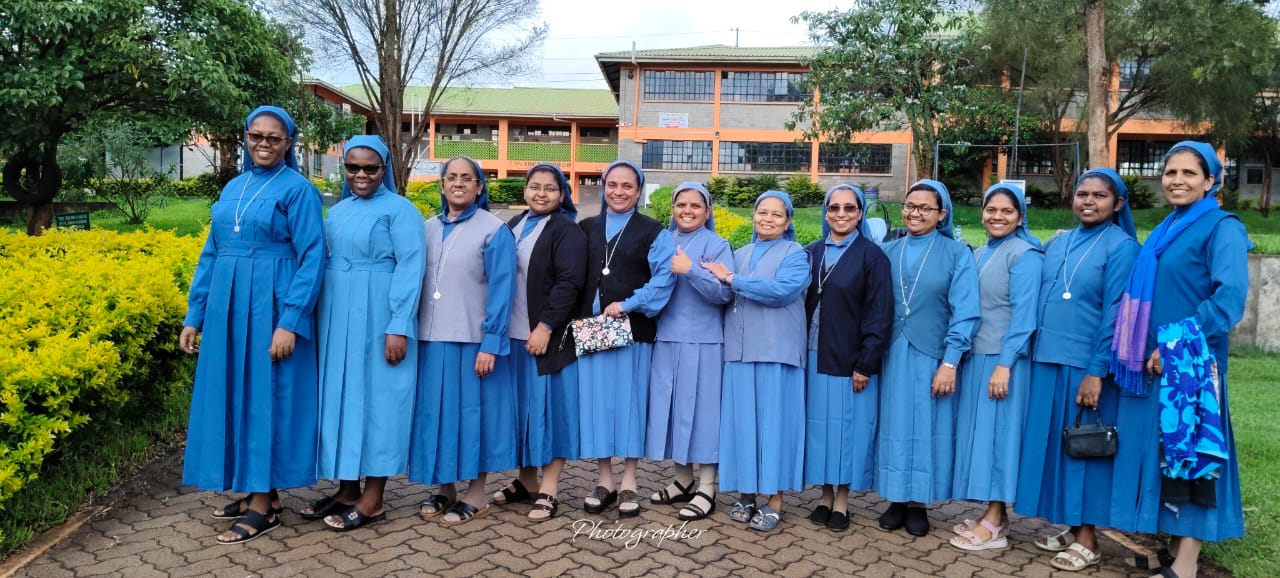
The Indian Generalate has extended its education apostolate to East African countries – In the year 1990 in Tanzania, 2005 in Kenya and 2022 in Uganda.
East African Province
| Total no. of SAL Educational Institutions | Total no. of Students | Total no. of SAL Personnel | Total no. of Teaching Staff | Total no. of Non-Teaching Staff |
|---|---|---|---|---|
| 05 | 4,975 | 19 | 217 | 115 |
Collaborative Education Ministry
Total no. of collaborative education ministry: 05
The Indian missionaries set their foot in the islands of Timor Leste and Indonesia in the year 2017.
In Timor Leste, two Sisters are teaching in the government school. Additionally, the Sisters teach English to the hostel students and neighbourhood children both in Timor Leste as well as Indonesia.